

Everything you need to know about VALORANT, the FPS from Riot Games
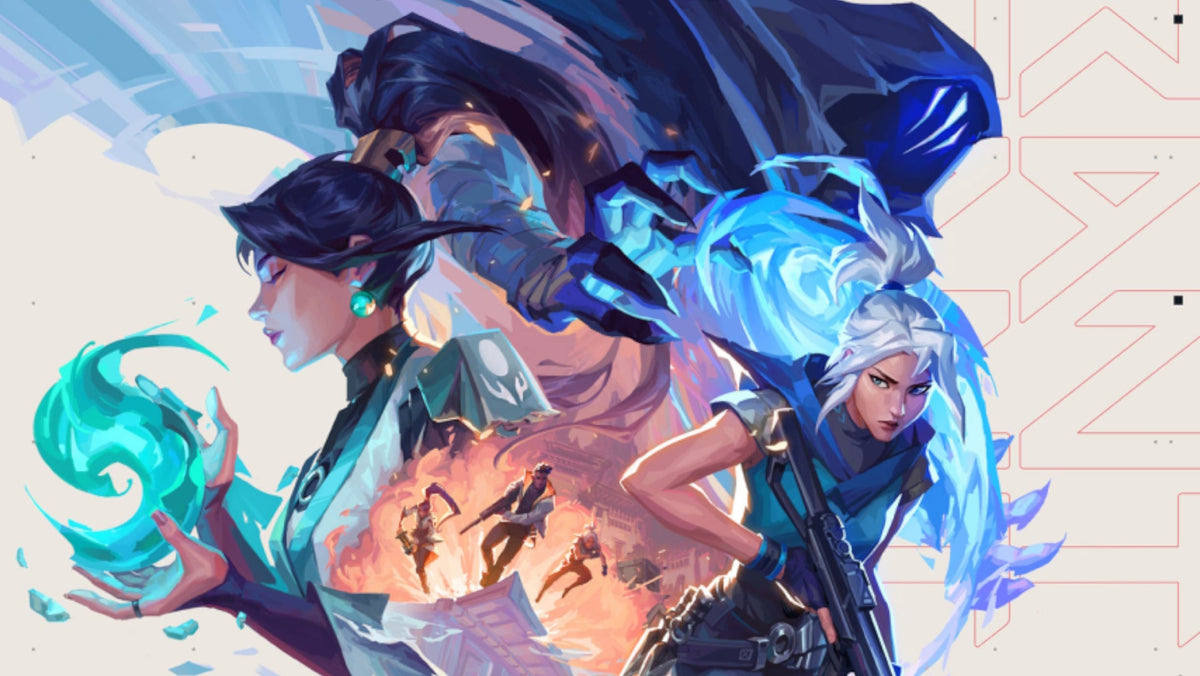
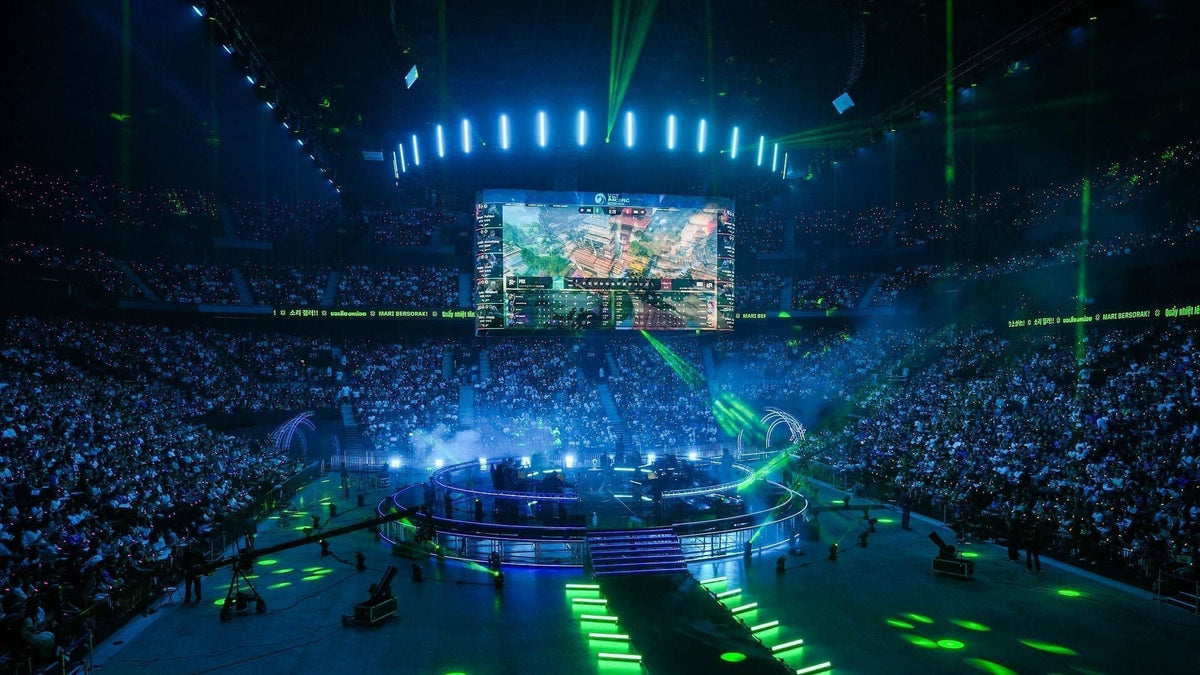
Riot Games is an American company mainly known for the excellent and unifying League of Legends. It has also developed other experiences, including Legends of Runeterra, a card game, 2XKO, a fighting game, and VALORANT, a first-person shooter. Today, it is the latter that interests us at Metropolis Chronicle. Why? Simply because the title is currently in the spotlight with the VALORANT Champions 2026 and the release of our new clothing collection.
From Project A on PC to Valorant on PC and consoles
With League of Legends, Riot Games has proven its ability to bring a community to the Esports scene. In 2014, the American company launched a new project simply called Project A. Behind this name was a first-person shooter (FPS) based on the fundamentals of Valve's essential Counter-Strike. In other words, two teams of 5 members face off. One of them must plant a bomb on a site while the other must prevent it... or at least defuse it before it explodes, in this case within 45 seconds of its activation. Of course, eliminating the entire defensive team or the entire attacking team before the bomb is planted is also a victory condition, as is preventing the bomb from being planted within the allotted time.
After a beta phase in April 2020, Riot Games decided to release the final version on PC on June 2 of the same year. It took 4 years to see a port on the latest consoles. Thus, it was on June 14, 2024, that the title was released on PlayStation 5 and Xbox Series X|S. However, it is important to note that players who have the console version cannot play with those who are on PC. The development team preferred to separate the two ecosystems to avoid inequalities induced by the differences in handling between a controller and a mouse and keyboard combo. However, since game data can be linked to a Riot account, inventory and progress can be transferred from one platform to another.
VALORANT: the Counter-Strike-like with skills
The major difference between Counter-Strike and Valorant, aside from the visual universe, is that the agents have unique skills. There are four categories of agents, two with an offensive focus, the Duelists and the Initiators, and two with a defensive focus, the Controllers and the Sentinels. Thus, on the offensive side, the Duelists represent the agents designed for assault. They are the ones with the best firepower to eliminate opponents. The Initiators, for their part, have a different approach. Less frontal, they prioritize gathering information, providing valuable insights to their team regarding the positions of opponents.
On the defensive side, Controllers are capable of influencing enemy movements, notably by obstructing the field of vision with smoke bombs. Sentinels, as their name suggests, are agents who will monitor the area, defend positions, and assist other team members, like Sage who can shoot a healing orb to restore HP to an injured ally. In all cases, the goal is simple: plant or defuse the Spike (the name of the bomb), or even eliminate the opposing team. Of course, each Agent has only one life per round, and the team's goal is to win 13, knowing that roles (between attackers and defenders) switch after 12 rounds.
Besides unranked matches, ideal for those who are beginners or looking to have fun without the pressure of results, the game includes a Competitive mode. This is its main mode, with Riot Games being accustomed to crafting competitive experiences. Proof of this is that it works wonderfully as the game is prominently featured on the Esport scene, like right now with the Valorant Champions 2026 currently underway. Moreover, as we mentioned in the columns of the Metropolis Chronicle, we now know the names of the top 8 teams of 2026, among which is Team Vitality.
The subtlety in this competitive mode is that to win, the leading team must reach 13 victory points with at least a 2-point lead. Other game modes are also available, including Spike Rush mode where each agent has a Spike, everyone is equipped with the same randomly assigned weapons, and matches are played in 4 winning rounds. Riot Games has also developed modes with less waiting time between respawns, such as Deathmatch modes (which accommodate 12 people) and Team Deathmatch, or the Intensification mode which requires progressing as a team through 12 levels, each requiring handling a specific weapon or skill.

Choosing the Right Agent When Starting
As in any good shooter game with a strong multiplayer component, players regularly receive updates and therefore additional content. This includes the addition of new Agents in VALORANT. Thus, 29 are currently available, taking into account the latest additions. Of course, they are divided among the four defined roles. Each has its place in the team, with victory often depending on the cohesion within the group and the complementarity of the Agents.
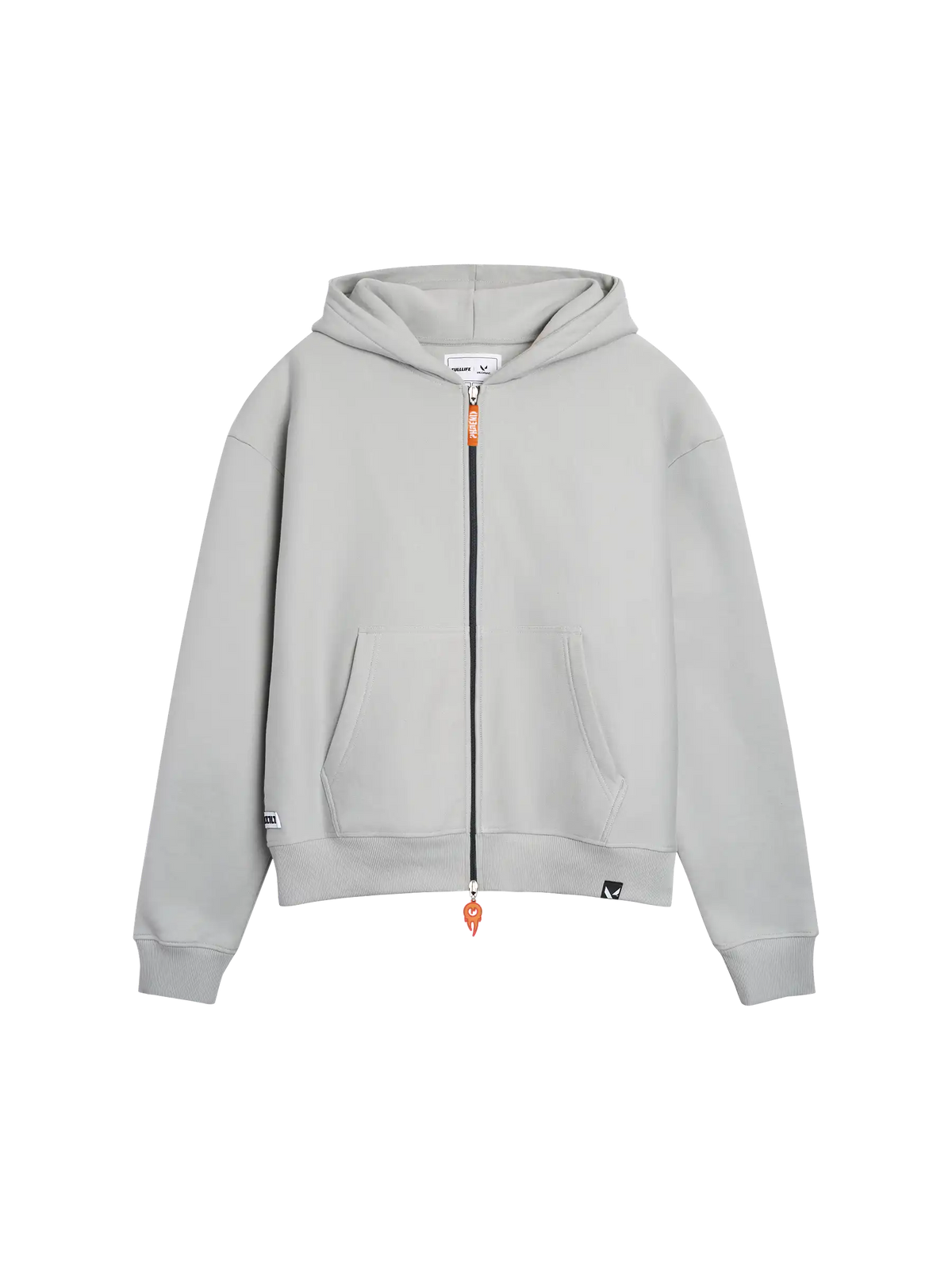
Your servant will not revisit each one of them but wishes to present the most accessible ones for beginners. Among the Duelists, you can choose Phoenix or Reyna. The former is quite complete, and his Inner Fire ability allows him to heal while standing in his own flames. A good way to engage without waiting for reinforcements. To keep the flame alive, you can blur the lines between virtual and real by equipping the Phoenix Zip Hoodie. The latter, on the other hand, is a dueling expert. With her Dismiss ability, she can instantly consume a nearby soul orb and become intangible for a short moment, or even invisible if the Empress ability is active. However, if you don't want to go unnoticed in real life, then the Reyna long-sleeve t-shirt will be an essential part of your wardrobe.
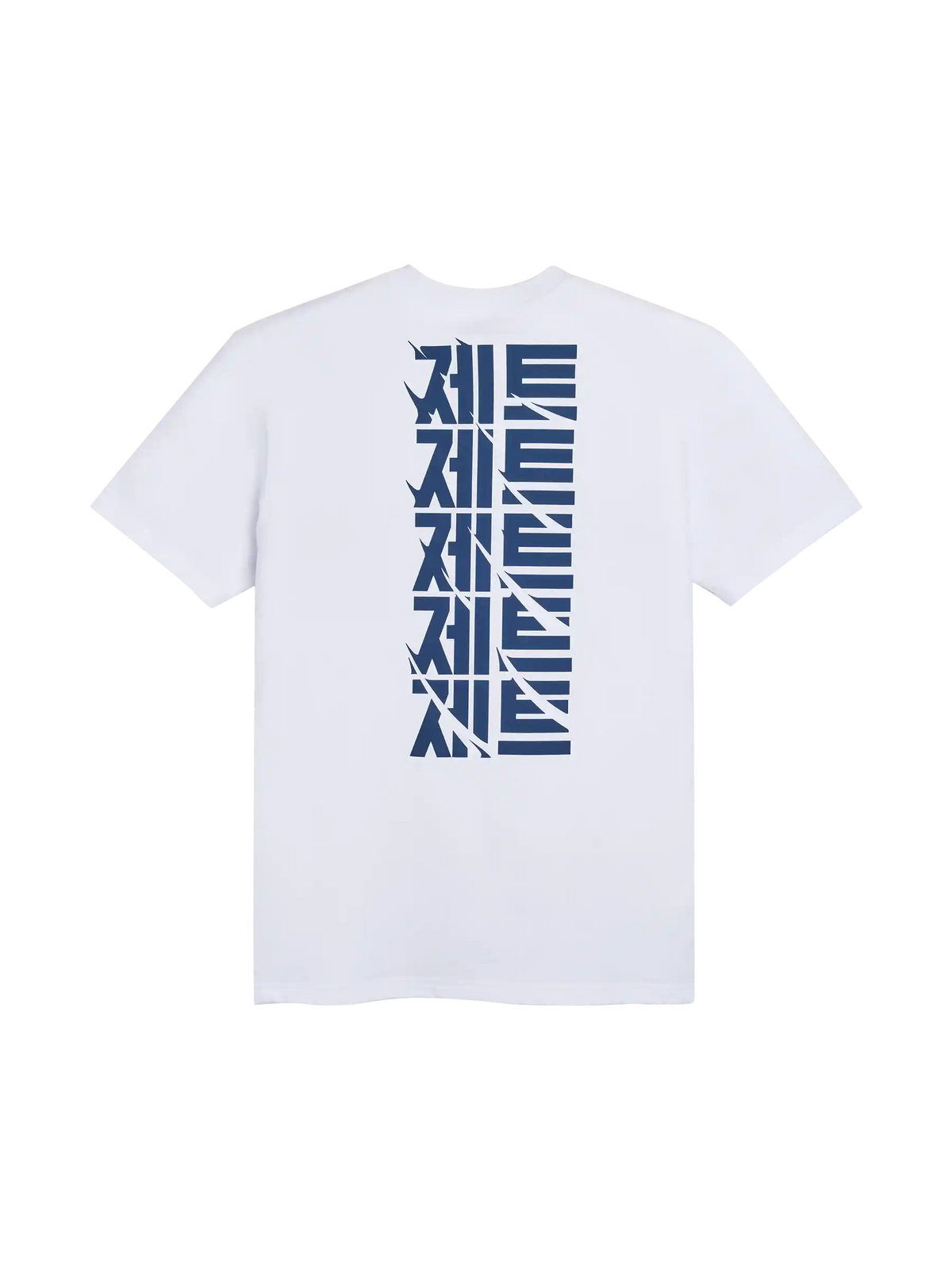
On the Initiators' side, Gekko is a choice not to be overlooked. He has creatures that disperse enemies, like Verti, who shoots plasma projectiles at enemies within his line of sight. To maintain his style, opt for the Gekko t-shirt. Among the Controllers, the choice falls on Brimstone and his smoke strike, which allows defining where the smoke clouds will land from the tactical map. Finally, Sage is perfect in her role as a Sentinel. With her slow orb, healing orb, barrier orb, and resurrection ability, she keeps her team in good shape while slowing down the opposing team.

Each map has its specificity, which ones to start with?
Currently, VALORANT offers 13 different maps, of which 7 are included in the competitive rotation. For beginners, Sunset turns out to be the most accessible map. Indeed, it adopts a rather classic structure developed in several FPS games, including Call of Duty. It is based on three main paths: the left, the right, and the middle. It is therefore easier to grasp. The same goes for Ascent, which introduces a mechanism with thick protective doors requiring either destruction or finding another path. Summit, the latest map added last June, is just as interesting. The structure is quite classic, with a bit more connections between places, but it manages to stand out thanks to the presence of huge movable walls.
If you are new to the game, it is better to initially avoid the Lotus and Haven maps. Indeed, these two maps have the particularity of having three sites to plant the bomb instead of two on the other maps. As a result, especially when your team is on defense, coordination and communication within the team itself are vital. Without this, defeat is assured. It is therefore better to master the basics before moving on to these environments that require more strategy. Similarly, take the time to master your movements and skills well before progressing on Abyss. This map, available in unranked games, has the particularity of having no borders. In other words, the risk of fatal falls is significant.
Cover and article images: Riot Games®


Lire plus d'articles